Croatia in April and May: The Inland-and-Istria Window
Spring in Croatia is mild, empty, and almost entirely uncommercial. The sea is still too cold for swimming — which makes it the wrong window for the typical coastal trip and the right window for the inland and Istria trips most agencies skip year-round.
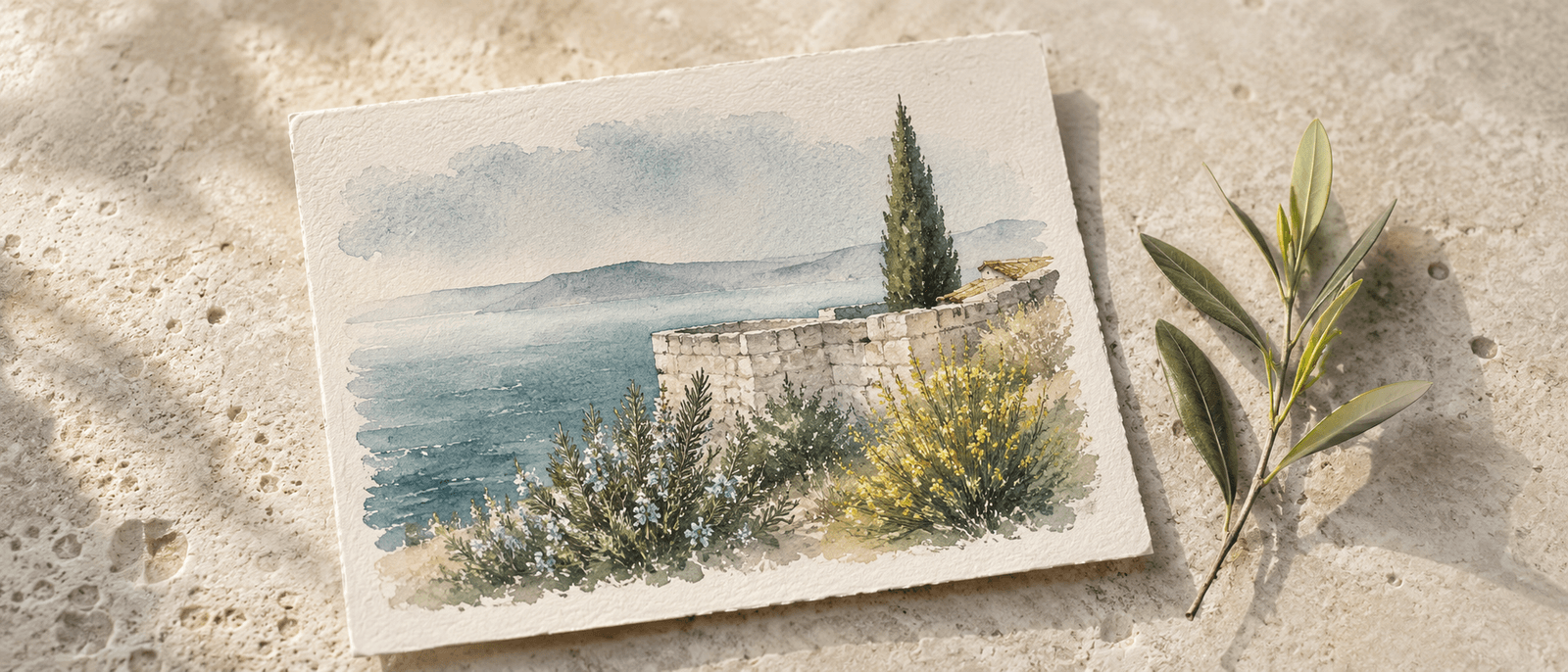
Spring in Croatia is the country's most-overlooked premium-travel window — for one structural reason: the sea is too cold for swimming. Surface temperatures through May run 16-19°C. For the default coastal trip (the one every premium DMC sells most often), that's a deal-breaker. Spring inquiries from beach-focused clients get routed to June or September.
Treating spring as just "the wrong window for the coast," though, misses what it's the right window for. Late April through May in Croatia is mild, green, almost entirely empty of tourists, and operating at full supplier readiness. For trips whose anchor isn't swimming — inland trips, Istria trips, hiking, food, architecture, certain themed itineraries — spring is structurally the year's most-pleasant window.
This article is the framework for the spring trip: which reader fits, which destinations work, what to skip, and how to position it in the inquiry conversation when clients arrive with mid-summer dates already in their heads.
What spring Croatia actually looks like
- Air temperature: 18-24°C in late April, 22-27°C through May
- Mild, pleasant, the warmest spring temperatures in the Mediterranean. Comfortable for walking trips, hiking, all-day outdoor activities. The mid-day heat that compresses the August day's working window doesn't appear yet.
- Sea temperature: 16-19°C
- Too cold for most travelers' swimming threshold. Plunge-pool-warm rather than swim-comfortably-warm. The single biggest constraint on what spring works for.
- Crowds: minimal
- Pre-season for almost everyone. Even Dubrovnik old town is walkable mid-day in late April. The premium operators are open and rested from off-season investment work.
- Light: long days, golden, photogenic
- Spring light in Croatia is angled and warm — closer to the September light than to the high-summer overhead glare. Photographs from spring trips often look better than summer ones.
- Wildflowers: Mediterranean spring bloom
- The Croatian inland and the islands' interior trails are at their visual peak. The wildflower carpet on Mljet's eastern hills, the Konavle valley in full green, the Lika highlands' wildflower meadows — all visible mostly in spring.
- Operators: fully open at premium-tier
- By mid-April the premium hotel ecosystem is operational. By late April, the boat captains and guides are returned from off-season maintenance and starting their working calendars.
The three reader types spring is right for
1. The inland trip
Croatia's interior — Zagreb, the Lika highlands, Plitvice, Slavonia, Zagorje — works year-round but peaks visually in spring. The reasons that make spring wrong for the coast (cold sea) don't apply inland. The reasons that make spring right (mild temperatures, wildflowers, full green, empty destinations) compound there.
A 7-night inland trip in May (Zagreb + Plitvice + a working-farm stay in Lika or Slavonia) is one of the highest-quality experiences Croatia delivers to premium clients all year. The inland article (/articles/inland- croatia) covers what the trip actually looks like; this window is when to schedule it.
2. The Istria trip
Istria's value isn't beach time; it's truffles, olive oil, wine, hilltop villages, and slow-pace food culture. The peninsula works April through October at near-equal quality, with May being the sweet spot — wildflowers at their peak, asparagus season at its prime (Istrian wild asparagus is a real spring food event), spring lamb on menus, the spring truffle (Tuber aestivum) in season.
See /articles/istria-positioning for the broader Istria trip framework; spring is the structural best window within that framework.
3. Themed trips that don't require swimming
- Walking and hiking trips
- Mljet's interior trails, the Pelješac peninsula's vineyard walks, the Lika hill country, the Učka mountain range above Istria. All operate at premium quality in May; all are uncomfortable in August heat.
- Food-focused trips
- Spring is the season for asparagus, lamb, the first artichokes, foraged greens. Premium chefs at the Istria + Zagreb level lean into these. Same dinner in May vs. August reads differently because the seasonal menu is different.
- Wine harvest preparation trips
- Vine flowering happens in May. For wine-enthusiast clients who want to see the vineyards in their working stage (not just sample finished bottles), May is the right window.
- Architecture and history trips
- Dubrovnik old town in May is walkable mid-day. The full walls walk, the museum visits, the Cathedral, the Rector's Palace — all without August's crowd compression. Same for Split, Šibenik, Trogir.
- Photography-focused trips
- Long golden-hour days, soft light, empty destinations. Photographers consistently rate May trips as their best Croatia experience.
What all three reader types share: their trip's anchor isn't the beach. Once that constraint is removed, spring becomes the year's strongest window.
The April-vs-May distinction
April and May are operationally different inside the spring window. Each has its own use cases:
April (especially late April)
- Pre-season pricing
- Suppliers run 10-15% below peak rates. The hotel that's €600/night in August is €450 in April.
- Genuinely empty destinations
- The pre-tourist-wave window. Dubrovnik old town in mid-April has more locals than tourists during weekday mornings — a rarity by any measure.
- Cooler weather
- 18-22°C during the day. Right for hiking, walking, outdoor activities. Wrong for swimming, terrace dinners past 19:00, beach lunches.
- Some operators not fully open
- Smaller restaurants and some boutique hotels open mid-to-late April. The premium-tier is open; the boutique tier varies.
May
- Full operator readiness
- By mid-May the entire supplier ecosystem is operational. Pre-season pricing still applies at some properties through mid-month.
- Peak wildflower bloom
- Late April through early June. The single most-photographed natural state of Croatia outside the autumn colors inland.
- Mild-to-warm air temperatures
- 22-27°C. Comfortable through the entire day. The mid-day heat compression of August doesn't appear.
- Asparagus season + spring lamb on menus
- The food-tourism May case. Premium chefs lean into these between April 15 and June 15.
- Sea still below swimming-comfortable for most travelers
- 17-19°C. Some hardier travelers swim; most don't. Plunge-pool experiences work; long swim-time beach days don't.
Specific trip structures that work in spring
The 7-night inland trip (May)
- Days 1-2 — Zagreb. Arrival + the city's food/architecture register. Premium restaurants at their May seasonal menu peak.
- Day 3 — Transition to Plitvice. Drive south with stops; arrive late afternoon. Farmhouse stay in one of the Plitvice villages.
- Days 4-5 — Plitvice + Lika exploration. Pre-09:00 lakes walk; afternoon hike in the surrounding hills; second day exploring the Lika villages and working farms.
- Days 6-7 — Slavonia or Zagorje. Final stretch in either Croatia's east (Slavonia wine + Kopački Rit nature reserve) or the Zagorje hill country (castles + working vineyards).
- Day 8 — Fly out of Zagreb. Easier departure than the coastal alternatives.
The 5-night Istria trip (late April / May)
- Days 1-2 — Rovinj or Brtonigla base. Two coastal nights. Walking the old town in cool mornings; lunch at sea-view restaurants on the harbour.
- Day 3 — Transition to a hilltop base (Motovun area). Inland anchor. Wine producer stop en route; arrival mid-afternoon.
- Days 4-5 — Truffle hunt + wine roads + olive-oil tasting. The Istria food anchor. Spring truffle (Tuber aestivum) season; wildflower-carpeted vineyard walks; the wine roads at their most photogenic.
- Day 6 — Departure via Pula. Drive south to Pula. Roman amphitheatre + final lunch + fly out.
The mixed-inland trip with brief coast (May)
- Days 1-3 — Istria. The 3-night version of the trip above. Inland food + culture register.
- Day 4 — Transit to Plitvice. Drive through the Velebit mountains; arrival mid-afternoon.
- Days 5-6 — Plitvice + Lika. The water-and-forest contrast to the Istria food register.
- Day 7-8 — Final stretch in Zagreb. City anchor. Final premium dinners + fly out.
The proposal-stage conversation
Clients arriving with August dates pre-named are familiar territory (covered in /articles/croatia- shoulder-season — the case for rerouting to September). Spring is a different conversation. Most clients haven't considered May for Croatia; the inquiry rarely arrives pre-naming spring dates.
The proposal-stage framing for the right reader looks like:
One thought on timing: based on what you mentioned in the questionnaire (food + inland interest + no major beach time), the structurally best window for this trip is actually late April or May. The sea is too cold for swimming, but you weren't planning to swim much anyway — and everything else (wildflowers, asparagus season at the restaurants, mild walking temperatures, destinations that won't have any tourist load) works better in spring than in any other window. Pre-season pricing is also a small advantage. If you're flexible on dates, that's the recommendation.
The framing names the trade-off honestly (cold sea), aligns spring's strengths with what the client actually asked for, and proposes it confidently. Clients accept this regularly when the trip's anchor isn't beach.
What kills a spring trip
- Routing it to the typical coastal itinerary
- Dubrovnik + Hvar + boat days in May is a colder, emptier version of the August trip — with the swimming cut. It works in pieces but underuses spring's actual strengths. The right spring trip is mostly inland or Istria.
- Booking too late
- Spring isn't crowded, but the premium hotels and operators still close out by late winter for the season ahead. April-May trips book best in November-January.
- Including 'just one beach day' for symmetry
- If the trip is otherwise inland or Istria, adding a single token coastal day for swimming feels off-register (the sea isn't warm enough; the day fights the trip's rhythm). Better to skip and let the inland focus stand.
- Ignoring the operator-readiness variation in early April
- Some premium boutique properties open in mid-to-late April; a few not until May 1. The DMC's job at proposal-stage is to verify which operators are running on which dates and adjust the itinerary accordingly.
- Selling spring as 'shoulder season' (interchangeable with September-October)
- The two windows have different structural advantages. September has warm sea + low crowds; spring has wildflowers + asparagus + the lowest operator load. Conflating them oversimplifies.
The compound effect on the DMC's calendar
Most premium DMCs see ~10-15% of their annual bookings land in April-May. The pattern is asymmetric: a small number of repeat clients who've discovered the spring window come back for it specifically; everyone else defaults to June-September.
The DMCs who actively position spring (as the recommended window for the right inquiry rather than just the available alternative) can shift this to 20-25% of annual bookings. The effect on the operational year is real: spring trips smooth the demand peak that crushes July-August; revenue per month is more evenly distributed; supplier relationships in inland Croatia (less peak-summer-dependent than coastal) develop more deeply.
For DMCs whose preferred client work is inland or Istria, spring is the structural anchor of the year's revenue. For DMCs focused on coastal summer, spring is the sub-segment that handles a different reader cohort without competing for the same supplier inventory.
The short version
Spring in Croatia (late April through May) is the country's most-overlooked premium window — wrong for coastal swimming trips, right for inland trips, Istria trips, hiking, food, architecture, photography, and most themed trips that don't require beach time. April is the cooler / cheaper / emptier sub-window; May is the warmer / more-fully-open / wildflower-peak sub-window. The proposal-stage move is to suggest spring when the client's inquiry doesn't anchor on swimming — most clients accept the recommendation when the alignment is named honestly. DMCs actively positioning spring can shift 20-25% of their bookings into the window, smoothing the calendar and developing inland supplier relationships.
The trips the DMC ships in May are often the year's most-photographed and most-distinctive. They're also the trips most clients haven't considered asking for. The DMC who proposes them well builds a quieter, more consistent calendar than the agency that tries to fight peak-summer demand.