Choosing Restaurants for Premium Clients: Croatia Region by Region
The meal is where a premium Croatia trip is most often let down by the supplier list. Here's how a DMC curates restaurants region by region — what carries the premium positioning, and what sells but isn't actually premium.
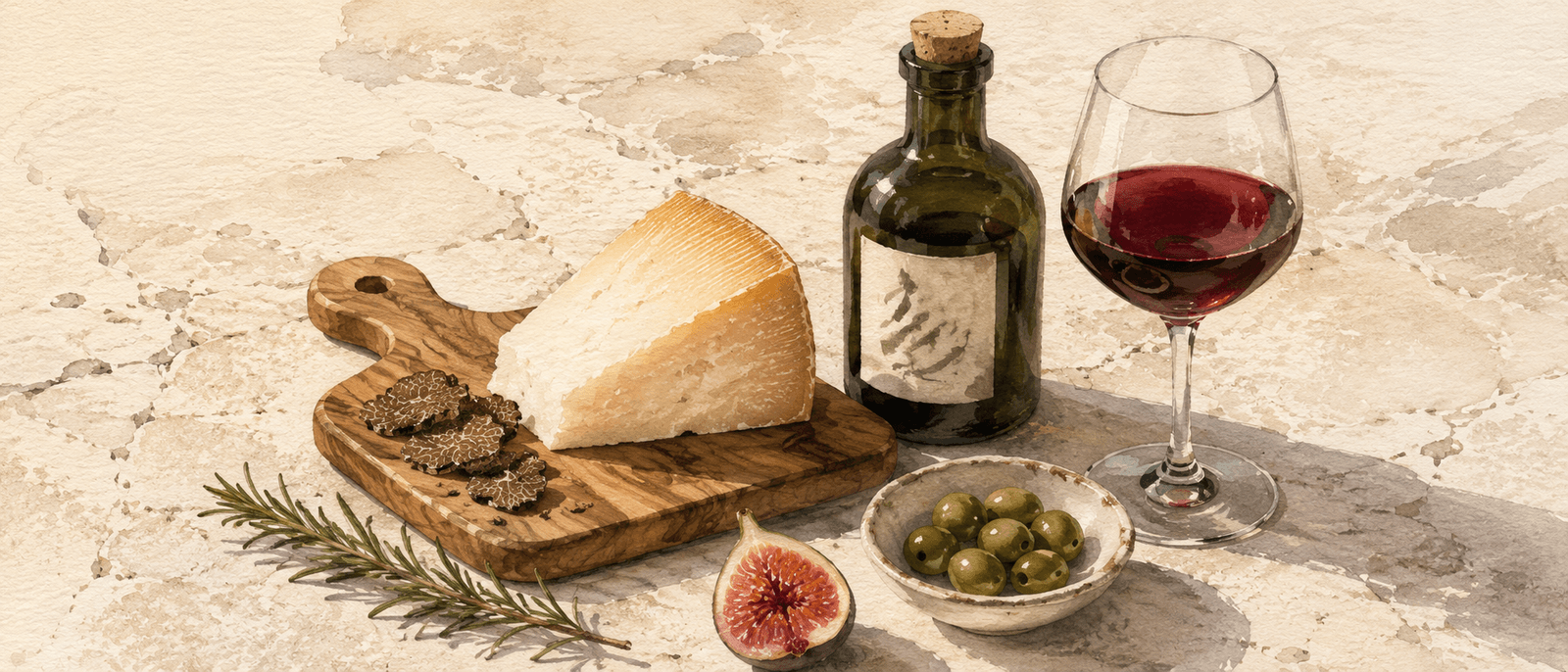
Croatia's food culture is more sophisticated than its marketing suggests. The stereotype — grilled fish on a sea-view terrace, a carafe of Pošip, a tomato salad — exists at every coastal town and isn't wrong. It's just the lowest-resolution version of a country that contains three distinct culinary traditions, each with a premium expression most itineraries don't reach.
For premium DMCs, the food side of the trip is often where the work either lands or doesn't. A trip with great accommodation, great drivers, great experiences, and mediocre food disappoints. A trip with ordinary accommodation and three genuinely memorable meals exceeds expectations. The DMC's curation discipline at meal-level is meaningfully more important than at the hotel-level.
This article is about that curation. Region by region, what's actually worth the premium positioning at dinner-level — and what sells but isn't actually premium.
The three culinary regions of Croatia
- Istria + Kvarner (the northwest). Italian-influenced. Truffles (white and black), the strongest olive-oil region in the country, Malvazija and Teran wines on a renaissance arc. Closer to a Friulian or Slovene culinary culture than to the rest of Croatia. The mature premium dining region.
- Dalmatia (the coast + islands). Mediterranean-coastal. Fish-centric (orada, brancin, dentex, lobster on certain islands), seasonal herbs, peka cooking under a metal dome over coals, the konoba tradition of family-run small restaurants. The default premium dining experience most clients have already imagined.
- Slavonia + Zagorje (the interior). Hungarian / Austrian / Ottoman-influenced. Pork-heavy, paprika-rich (in Slavonia specifically), freshwater fish, smoked meats and sausages, strudel and walnut-roll desserts. The least-known region; the most culturally distinct from the coast.
Plus a fourth category that crosses regions: Zagreb, which functions as a national capital food scene with its own restaurant ecosystem, including the country's highest concentration of Michelin-tier operators.
Istria: the most mature premium food region
If a client's primary interest is food, Istria is the first place to send them. The region has built a coherent premium food ecosystem over the last 15 years — concentrated enough that a 4-night Istria trip can be 80% food-themed without repeating itself.
The premium food anchors in Istria:
- Truffle experiences (Motovun, Buzet area)
- The Motovun forest has working white-truffle hunting operations that take premium clients on a real (not staged) hunt. Tartufi Karlić, Zigante Tartufi, and a small number of working families do this. Followed by a meal where the morning's haul lands on the table.
- Olive-oil producers
- Istria has won Flos Olei's world-best-region ranking multiple times. Producers like Chiavalon (near Vodnjan), Belić, Brist, and Mate offer vertical tastings that work at premium register — small operations, working family-run setups, tastings that match Tuscan estate standards.
- Wine route: small producers
- Coronica, Trapan, Kabola, Roxanich, Cattunar — premium winemakers operating at international-comparable quality. The wine roads connect 30+ producers; a focused 2-day route hits the standout 4-5.
- Restaurants worth the trip
- Konoba Morgan (Brtonigla), Konoba Astarea (Mali Ston — yes, technically Dalmatia, but in the orbit), Damir & Ornella (Novigrad), San Rocco's restaurant (Brtonigla — a 4-table room above the hotel that's worth a flight), Pergola (Savudrija).
The premium Istria food trip structure
A working 4-night Istria food trip:
- Day 1 — Arrival, Rovinj or Brtonigla base, dinner at Morgan or San Rocco. Settle in. Don't over-program day 1; the next three are dense.
- Day 2 — Olive oil morning + lunch at a producer + wine in the afternoon + dinner at a different premium restaurant. Mostly outdoor + estate visits. Pace is unhurried.
- Day 3 — Truffle morning (Motovun forest hunt) + truffle lunch + afternoon downtime + a quieter dinner. Anchor day. Most-photographed by clients.
- Day 4 — Wine road morning (3 producers) + long lunch + departure. Closing day with the wine focus.
Dalmatia: the default, handled correctly
Most premium Croatia trips are coastal, and most coastal trips center on Dalmatian food. The genre is familiar — grilled whole fish, seasonal salads, olive oil on everything, sea-view terraces. The problem isn't the cuisine; it's that the genre is so widely available that mediocre versions outnumber premium ones at most coastal destinations.
The premium DMC's job in Dalmatia: source the specific operators who execute at premium level inside the genre. They exist; they're not the ones advertising on TripAdvisor.
Specific Dalmatian operators worth premium positioning:
- Konoba Menego, Hvar Town
- Family-run, modest exterior, exceptional execution inside the genre. Bay-facing tables hold for booked clients.
- Konoba Mate, Korčula (in the village of Pupnat)
- Hilltop village interior of Korčula. Traditional konoba operation with no menu — the family decides what's cooked each evening. One of the most genuinely-local premium experiences on the coast.
- Pojoda, Vis Town
- Already mentioned in /articles/lesser-known-islands. Seafood at the top of the coast's range.
- Restaurant 360, Dubrovnik old town
- One Michelin star. Worth one dinner on a coastal trip; not the trip's anchor. Modern Mediterranean tasting menus.
- Bota Sare, Mali Ston
- Oysters straight from the Mali Ston bay — Europe's only saltwater-grown oyster operation at this scale. Half-day stop on the Pelješac wine road.
- Konoba Astarea, Mali Ston
- Pelješac wine country, family-run dining-as-an-event. Premium positioning + the food becomes the day's anchor.
The peka meal — the experience-as-meal
Peka is a traditional Dalmatian cooking method — meat (lamb, octopus, or veal) slow-cooked under a metal dome covered with hot coals. Requires 3-4 hours of cooking time, must be ordered in advance, can only happen at small operations that aren't the waterfront tourist restaurants.
The premium peka experience is at a small family-run place in a hillside village 20-40 minutes from the coastal base. Pre-ordered 24-48 hours before. Eaten slowly over 2-3 hours with house wine and the family's rakija at the end. One peka meal per trip is usually right; more than that becomes ritualistic.
Slavonia + Zagorje: the food-trip alternative
For very specific clients (returning Croatia visitors, serious food-focused trips), the interior delivers a food experience structurally different from the coast.
What works:
- Slavonia paprika-and-meats trip
- Smoked sausages from the kulen tradition (paprika-spiced, slow-cured pork — Croatia's signature charcuterie); fish-paprikash from the Drava river; the working farm dinners in Baranja. 3-4 nights of this is a real premium proposition for the right food client.
- Zagorje meats-and-strudel
- Pork-centric, paprika-shy. Turkey-and-mlinci is the regional dish (slow-cooked turkey with thin pasta pieces). Strudels — apple, cottage cheese, walnut — are the most-serious in Croatia. Best paired with a Zagorje wine tasting + a working castle hotel stay.
- Inland desserts more broadly
- Croatia's serious dessert tradition is interior, not coastal. The coast does sorbet and granita; the interior does multi-layered cream cakes (Zagorje cream cake, Madarica) and orchard-fruit-based bakes. A coastal trip that includes one inland day for the dessert culture is a specific premium move.
The interior food experience is operationally heavier for DMCs than the coastal version. Supplier relationships are thinner; the destinations are less English-fluent; the logistics are messier. Year-three DMCs who deliberately build out an interior food supplier network have a meaningful differentiator vs. agencies that only do the coast.
The Michelin question
Croatia has roughly 10-15 Michelin-starred or Michelin- tier restaurants — small for a country of its food density, but real. Concentrated in Istria, Zagreb, and a few coastal locations.
The premium positioning question: how many Michelin dinners should a 7-day Croatia trip include? The answer is almost always one — maximum two. Three or more starts feeling like a Michelin-tour, which undercuts the trip's implicit Croatia-specific positioning.
The Michelin-tier operations worth knowing about:
- Noel, Zagreb
- Tasting-menu format, modern Croatian palate. Worth a Zagreb stop on a split trip.
- Dubravkin put, Zagreb
- Game-and-mushroom-heavy menu in a wooded outskirt of Zagreb. The Zagreb dinner that anchors an inland trip.
- Stara Loza, Dubrovnik
- Sister property to Restaurant 360. Slightly more accessible; same chef.
- Restaurant 360, Dubrovnik
- Already mentioned. One Michelin star.
- Pelegrini, Šibenik
- Modern Dalmatian tasting menu in a stone-walled old-town setting. Worth a Šibenik stop on a Split-to-Dubrovnik trip.
Each of these is excellent. Each of these is also slightly out-of-character with the rest of a typical premium trip's food register — they're tasting-menu restaurant experiences, the same kind a client would have in any European capital. The one Michelin dinner per trip slot is what makes it land as a peak moment, not a tour.
What sells but isn't actually premium
- The waterfront sea-view restaurants in tourist centers
- Dubrovnik old town's sea-view places, the Hvar promenade restaurants, the Split Riva-side tables. They have the view; the food is generally mid-tier in the genre. The premium move is to leave the touristic center and find the konoba a 15-minute walk away.
- 'Authentic Croatian dinner' experiences advertised on tour-booking platforms
- Most of these are package experiences booked through aggregators. Premium DMCs source directly through relationships, not platforms.
- Wine tasting tours that visit 6+ producers in a day
- More than 3 wine producers in a day saturates the palate. Premium wine experiences visit 2-3 producers thoughtfully, not 5-7 efficiently.
- Fish 'taverns' near cruise-ship docks
- Designed for cruise volume; not premium.
- Hotel restaurants in larger hotels (unless specifically excellent)
- Most large-hotel restaurants underperform vs. external operators in the same city. The Hotel Excelsior in Dubrovnik is an exception; most other hotel restaurants are not.
- 'Tasting menu' framing without the underlying craft
- Croatia has restaurants offering tasting menus that aren't actually multi-course craft cooking — they're three-course meals re-packaged. Sourcing carefully matters.
The food + wine pairing
Croatian wine is on a renaissance arc. Indigenous varieties — Plavac Mali (red), Pošip (white), Malvazija (Istrian white), Teran (Istrian red), Graševina (Slavonian white) — have improved dramatically in the last 15 years. Premium clients who care about wine find Croatian wine genuinely interesting, not just "the best of what's available locally."
Where the wine works at premium level:
- Pelješac peninsula reds (Dingač, Postup appellations)
- Plavac Mali at its highest expression. Producers: Korta Katarina, Saints Hills, Bartulović, Madirazza.
- Korčula whites (Pošip from the Lumbarda area)
- Mineral, structured, food-friendly. Producers: Bire, Toreta.
- Istrian whites and reds
- Already covered. Best variety of any region.
- Slavonian Graševina (especially Kutjevo area)
- Underrated white. Best paired with Slavonian food in the food trip context.
The premium DMC's wine-pairing job is to match the producer to the region the client is visiting (a Hvar trip features Pelješac wines for the boat-day Mali Ston stop; an Istria trip features Istrian Malvazija throughout) rather than sourcing wines from across the country regardless of context. The local-to-the-meal principle holds.
The short version
Three culinary regions: Istria (most mature premium food ecosystem; truffles, olive oil, wine), Dalmatia (coastal; the default; the curation discipline is finding the specific premium operators, not the genre generally), Slavonia + Zagorje (interior; least known, most culturally distinct, food-trip alternative for specific clients). Plus Zagreb as a national-capital food scene with the country's Michelin concentration. One Michelin-tier dinner per trip is enough. The peka meal is the experience-as-meal that works once per trip. Source through relationships, not platforms. Match wine to the region the client is visiting.
The DMC's curation at meal-level is more important than the hotel-level. A trip with great accommodation and mediocre food disappoints; a trip with three genuinely memorable meals exceeds expectations regardless of the hotel's star rating.