Routing the Third-Time Client: Vis, Lastovo, Mljet
The Croatian islands premium clients haven't heard of are the ones the third-time visitor came back for. Three islands worth routing into your trip — and how to handle each.
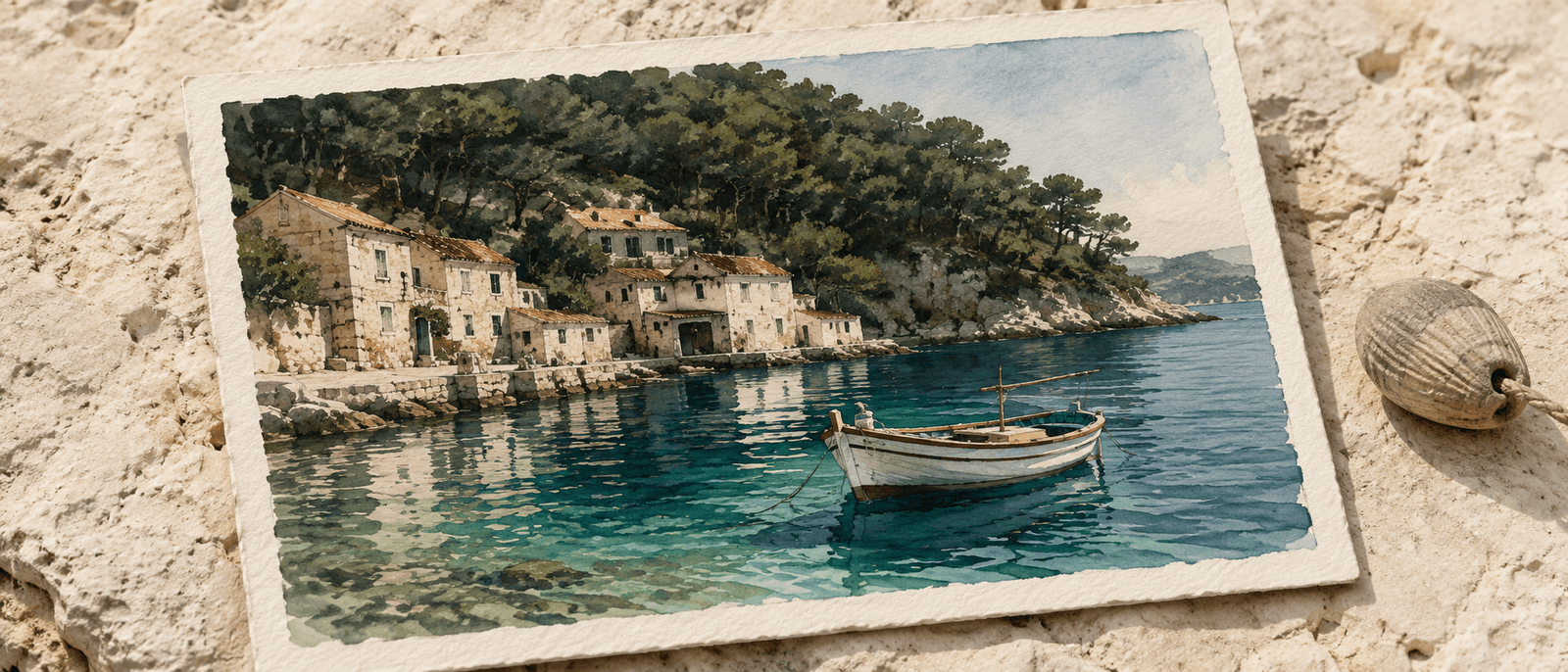
A first-time Croatia visitor wants Hvar or Korčula. They've seen the photos; they know the names; the choice between the two anchors the trip's coastal week. A second- or third-time visitor wants something different — and almost always doesn't know what to ask for, because the tourist-facing Croatia narrative stops at the same two islands.
For these returning clients, three Adriatic islands earn the routing decision: Vis, Lastovo, and Mljet's interior. All three are operationally viable for premium trips, all three have meaningfully different identities from Hvar and Korčula, and all three remain — even in 2026 — under-touristed enough that the premium-positioning durability is genuinely high.
This article is the framework for sending the right client to the right one.
Vis: the closed-military-island advantage
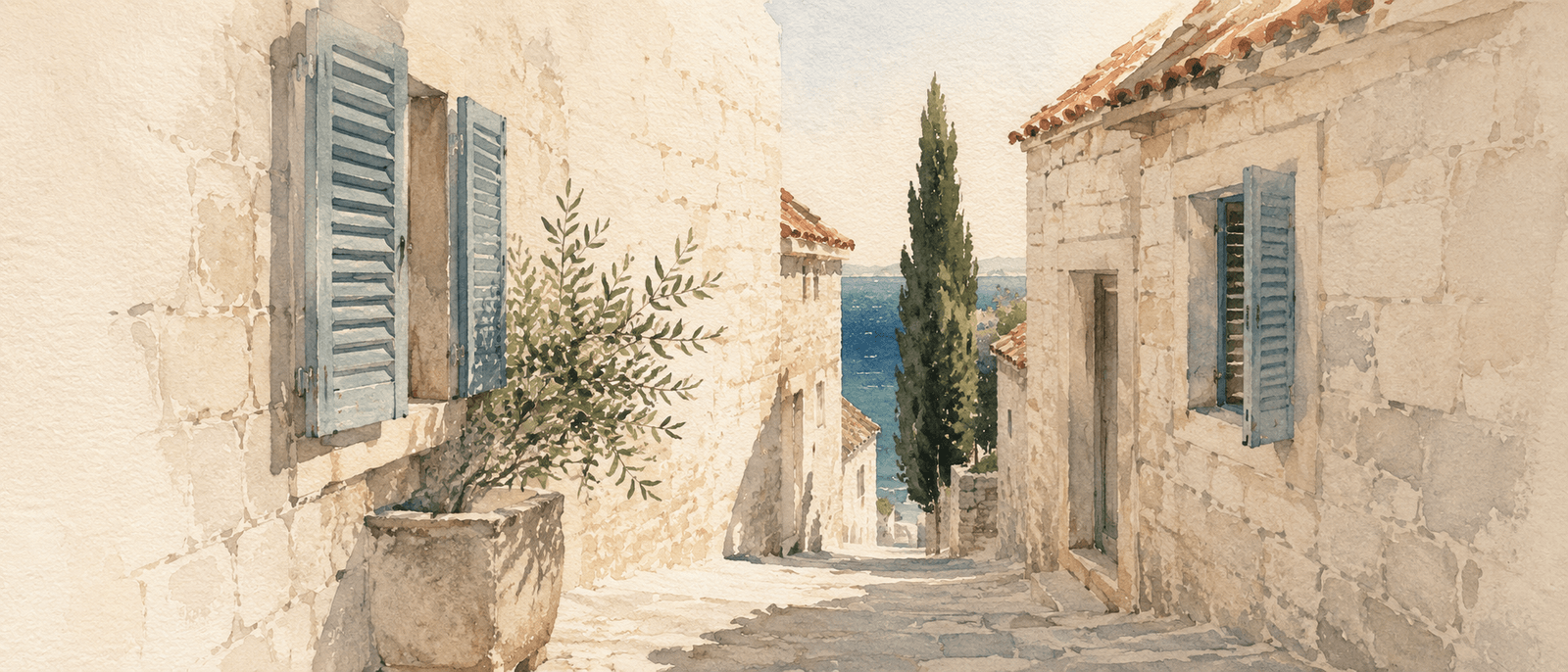
Vis sits 90 minutes southwest of Hvar by boat — far enough to feel remote, close enough to be reachable. From 1944 until 1989, the island was a closed Yugoslav military base (the entire civilian population was relocated). The consequence: no large-scale tourism developed before the 1990s, no waves of all-inclusive resorts, no clusters of mass-market hotels.
What that produced operationally:
- Two compact towns (Vis Town + Komiža)
- Both stone-built, small, walkable in 20 minutes end-to-end. The harbors are working harbors, not yacht marinas at scale. The feel is rural-Mediterranean, not resort.
- A handful of premium operators
- Pojoda restaurant in Vis Town (one of the country's premier seafood operations); Konoba Roki's in the interior; a small selection of restored stone villas as accommodations. The supplier network is tight but real.
- The Blue Cave + Pakleni-equivalent boat days from Komiža
- The Blue Cave at Biševo (10 minutes from Komiža) is the most photographed natural feature in Croatia after Plitvice. Premium boat days work cleanly from Vis.
- Wine and olive-oil producers operating quietly
- Stiniva oil, Roki wine — small operations that don't run heavy tourist programs but accept premium DMC bookings when arranged.
Who to send to Vis
- Returning Croatia visitors who did Hvar last time. The most common reader. Vis delivers the same Dalmatian-island geography with a fundamentally different rhythm.
- Premium clients wanting genuine quiet without sacrificing food culture. Vis has both. The trade-off is fewer hotel options.
- Sailing-and-yacht clients. Vis is one of the canonical anchors on the central-Dalmatian sailing route. Easy to incorporate.
- Clients with a strong food orientation. Pojoda alone earns a 3-night stay for the right food-focused client.
Who NOT to send to Vis
- First-time Croatia visitors
- Vis lacks the iconic visual hook of Dubrovnik or Hvar. First-time clients will likely under-appreciate the specifics.
- Families with very young children
- The hotel inventory is thinner than Hvar; the boat days are more weather-dependent.
- Clients who specifically asked for beach-club nightlife
- Vis has neither nightlife nor beach clubs. That's the point — but mismatched expectations hurt.
A working 3-night Vis stay structured correctly: arrival via private boat from Hvar or Split (90 min) → check in at one of the restored-villa options → dinner at Pojoda → next morning a Blue Cave + Biševo private boat day → afternoon back in Komiža → second day inland to Konoba Roki's for a long lunch → final morning at Stiniva Cove (one of the most-photographed beaches on the coast) → afternoon transfer back to mainland.
Lastovo: the most remote of the three
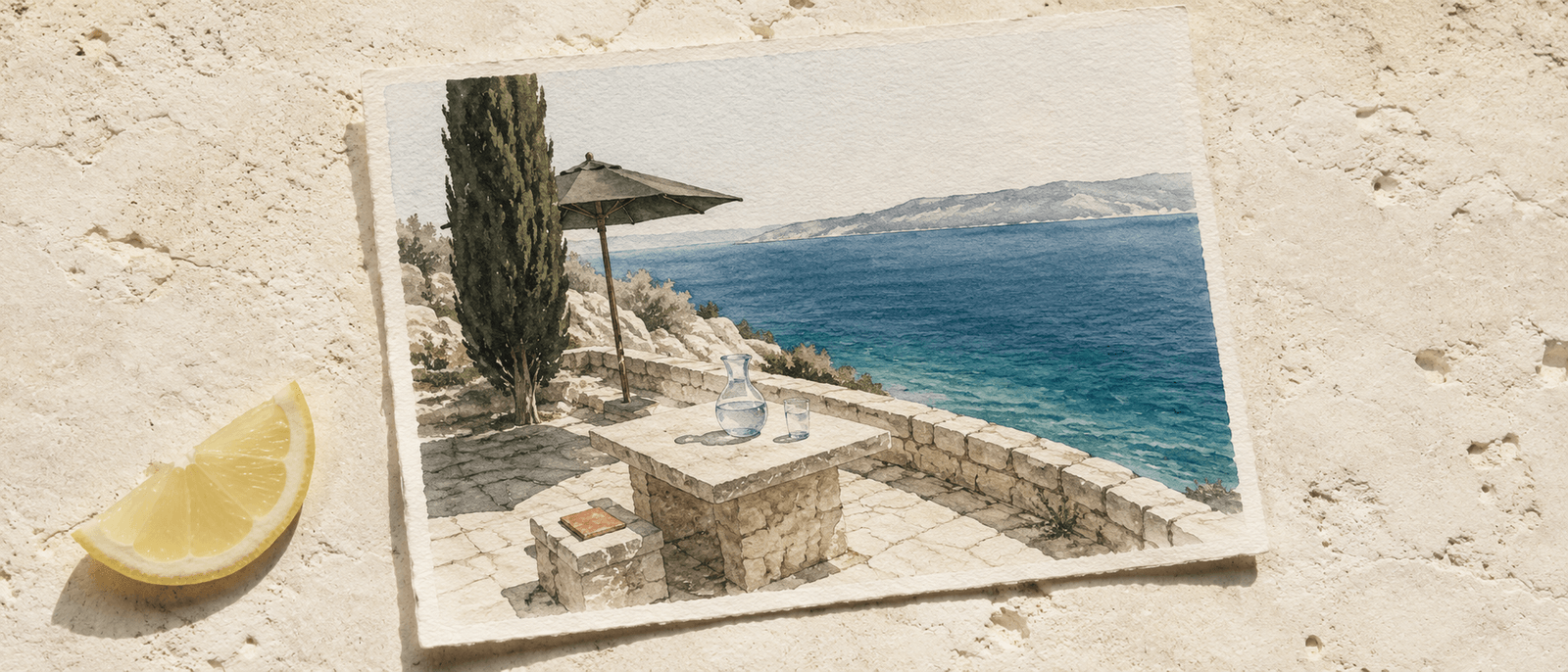
Lastovo is three hours by fast boat from Korčula (or most of a day from Dubrovnik). It has one road across the island, no large hotels, and a permanent population of fewer than 800 people. The Croatian government designated it a nature park in 2006, which froze most development.
Lastovo is genuinely empty. In a country trending toward summer over-tourism, this is its distinguishing feature.
What works operationally:
- Restored-stone villa rentals
- Most premium accommodation on Lastovo is private villa — usually 2-4 bedroom, sometimes 6-8 for larger groups. Hotels exist but are mostly functional rather than premium.
- The lobster restaurant tradition
- Lastovo has 4-5 family restaurants serving fresh-caught lobster from the surrounding waters. Premium clients who care about this category find Lastovo delivers it more authentically than any other Croatian island.
- Dark-sky stargazing
- Lastovo has minimal light pollution; the night-sky observability is genuinely better than virtually anywhere else in the central Mediterranean. Worth its own dedicated evening.
- Hiking + small-cove swimming
- Several mostly-empty bays accessible by short hike or short private boat. The premium experience is the having-a-cove-to-yourselves quality, not the cove itself.
Who to send to Lastovo
- Couples specifically wanting quiet. Lastovo's biggest deliverable is the absence of crowds. For couples whose previous trip was busy, Lastovo is the reset.
- Groups of 4-8 friends or family renting a villa. The villa-as-base model works beautifully on Lastovo. Self-contained, with the DMC's chef and boat arrangements coming to them.
- Returning Croatia visitors with 7+ nights to spend. Lastovo doesn't combine well with short coastal weeks (the transit eats too much time). Within a 10+ night trip, 3-4 nights on Lastovo is the right allocation.
- Clients who would otherwise consider Greek-island private trips. Lastovo competes structurally with the smaller Cycladic islands more than with the obvious Croatian ones.
The Lastovo logistics caveat
The transit is the trip-killer for the wrong client. Lastovo is 3+ hours by ferry from Korčula, or 4-5 hours from Dubrovnik including the Korčula leg. Private boat transfers cut this in half but cost meaningfully more. Premium DMCs typically pair Lastovo with Korčula (transit between the two is short by private boat) for a 5-7 night two-island leg.
A pure-Lastovo 4-night stay from Dubrovnik can work, but requires careful client expectation-setting on the transit time at both ends.
Mljet (interior): the underused half of a well-known island
Mljet is the third island in this triplet, but the trick is which half of Mljet. The western third of the island is the famous Mljet National Park — the two saltwater lakes, the small island in the lake with the Benedictine monastery, the most-photographed cluster of imagery on the island. Most visitors see only this.
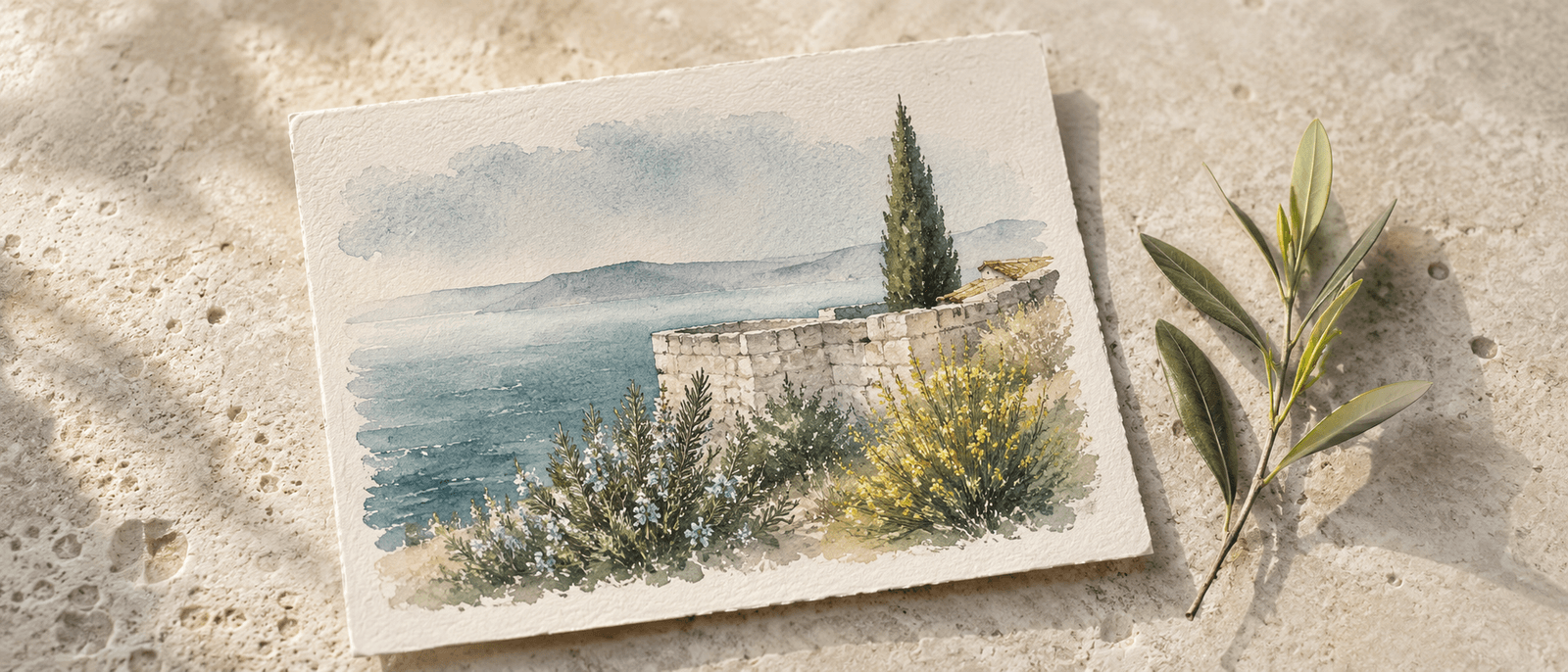
The eastern two-thirds of Mljet is essentially empty. A handful of small villages, working farmsteads, hiking trails, and a few quiet coves. Premium DMCs increasingly send clients here as a 2-3 day add-on while bypassing the national-park section entirely (or doing a single early-morning visit).
What works on eastern Mljet:
- Restored-village stays in places like Saplunara or Korita
- Tiny villages with maybe 2-3 premium-grade accommodations each. The bookings are usually direct with the host families.
- The Aprovic family wine + olive operation
- The interior of eastern Mljet has a small but distinct olive-oil culture; visits are arranged through direct relationships, not booked through tourism platforms.
- Day-long hikes through the eastern hills
- The Mljet Nature Park covers the whole island; the eastern hiking is structurally what the western lakes are visually — quiet, dense, distinctive.
- Boat days from Saplunara
- Calm-water swimming, smaller crowds than the western park.
The pairing that works: 1 morning at the western lakes (the iconic imagery, done before the day-tripper waves arrive at 11am) + 2-3 nights on the eastern side. The contrast within a single island — busy iconic + quiet undiscovered — is the experience.
How to combine
A premium client building a 10-14 day Croatia trip can reasonably fit one of these three islands alongside the obvious Dalmatian itinerary. Some workable combinations:
- Dubrovnik (3) → Mljet east (3) → Korčula (2) → Hvar (3) → Split. A 11-night descending-tourism-density trip. The Mljet east stop early in the trip resets expectations away from the touristy register.
- Split (2) → Hvar (3) → Vis (3) → Korčula (3) → Dubrovnik (2). A 13-night arc that includes both popular islands and Vis. Vis sits in the middle as the deep stop.
- Dubrovnik (3) → Korčula (3) → Lastovo (4) → Korčula (1) → Dubrovnik (1). A 12-night two-stop pattern with Lastovo as the destination focal point. Heavier on the transit side but worth it for the right client.
- Hvar (3) → Vis (3) → Hvar (1) → Split fly-out. A 7-night version. Tight but workable if the goal is a true second-island taste.
The premium-positioning math
A meaningful question for DMCs considering routing into these islands: do they earn the supplier-network investment?
The honest answer: yes, but slowly. The first Vis trip costs more operational time than a tenth Hvar trip — new drivers, new restaurants, new boat operators, new check- in protocols. By the third Vis trip the supplier network is functional; by the fifth it's smooth.
Year-three DMCs running 3-5 of their season's trips through Vis (or Lastovo, or Mljet east) build a parallel supplier ecosystem to the Hvar/Korčula one. By year five, that parallel network is operationally equivalent. By year seven, the DMC has a structural differentiator: clients who want "Croatia but different" can be sent confidently to the lesser- known islands while competing agencies still need to ramp the relationships.
The short version
Vis is for returning Hvar visitors who want quiet without losing food culture. Lastovo is for clients (especially couples or 4-8 person groups) wanting genuine remoteness and the villa-as-base model. Mljet's eastern two-thirds is the underused half of an iconic island, best paired with a single morning at the western lakes. None of the three are the right first-Croatia destination; all three earn the second or third trip.
The DMCs whose returning-client trips materially differ from their first-time trips tend to use one of these three islands as the differentiating stop. The supplier- network investment is real but compounds across the DMC's book of business — the third Vis trip leverages everything learned on the first two.